
Viewing 7 - 12 out of 14
Patient Education
Infections & Infestations
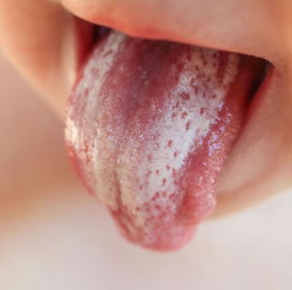
Candidiasis
Candidiasis is an infection caused by the yeast Candida. Candida skin infections (cutaneous candidiasis) can occur at any site, but tends to favor warm, damp environments such as the skin folds and the groin region. Candida infections can also occur in the mouth (oral thrush) and in or around the nails

Infections & Infestations
Boils
A boil, also known as a furuncle, is a painful, pus-filled bump that results from a bacterial infection of the hair follicle. It is a common skin infection, typically caused by a bacteria called Staphylococcus aureus. The infection usually starts as a tender, pinkish-red, bump which fills with pus- becoming
Infections & Infestations
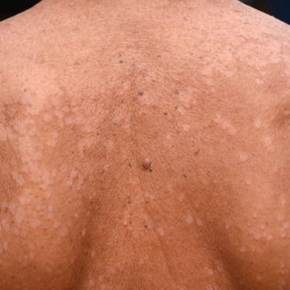
Tinea Versicolor
Tinea versicolor, also called pityriasis versicolor, is a common skin infection caused by the overgrowth of a yeast. Typically, it presents as patchy areas of lighter or darker discoloration on the trunk and shoulders that can be scaly in appearance. It can affect anyone, but is more common in teens
Infections & Infestations
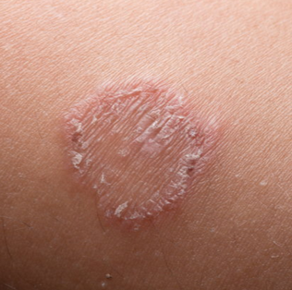
Tinea
Tinea refers to a group of fungal infections which can affect the skin, hair, and nails. The specific name of the infection depends on the affected area of the body. A few common examples include: tinea capitis (infection of the scalp/head) - often referred to as ringworm tinea corporis (infection

Infections & Infestations
Shingles (Herpes Zoster)
Shingles is a rash caused by the reactivation of the chickenpox virus (also known as the varicella zoster virus or VZV). Classically, the rash affects only one side of the body, within a single stripe or band known as a dermatome. There may be a prodrome consisting of pain, itching, or tingling localized

Infections & Infestations
Molluscum Contagiosum
Molluscum, or molluscum contagiosum, is a common viral skin infection caused by the molluscum contagiosum virus (MCV). This benign condition typically presents with pink, round bumps with a central indentation. The number of bumps can range in number (few to hundreds) and in size (1-6mm). The bumps can
OUR LOCATION
Address
6 North Main St
Flemington , NJ 08822, US
Contact Information
Hours of Operation
Monday
08:00 am - 04:30 pm
Tuesday
08:00 am - 06:00 pm
Wednesday
08:00 am - 04:30 pm
Thursday
08:00 am - 06:00 pm
Friday
08:00 am - 04:00 pm
Weekend
Closed
Hours of Operation
Monday
08:00 am - 04:30 pm
Tuesday
08:00 am - 06:00 pm
Wednesday
08:00 am - 04:30 pm
Thursday
08:00 am - 06:00 pm
Friday
08:00 am - 04:00 pm
Weekend
Closed